
Hamburg
Wheel Alignment
Wheel Alignment in Hamburg, NY
Professional Alignment Services for All Vehicle Makes and Models
Understanding When Your Vehicle Needs Wheel Alignment
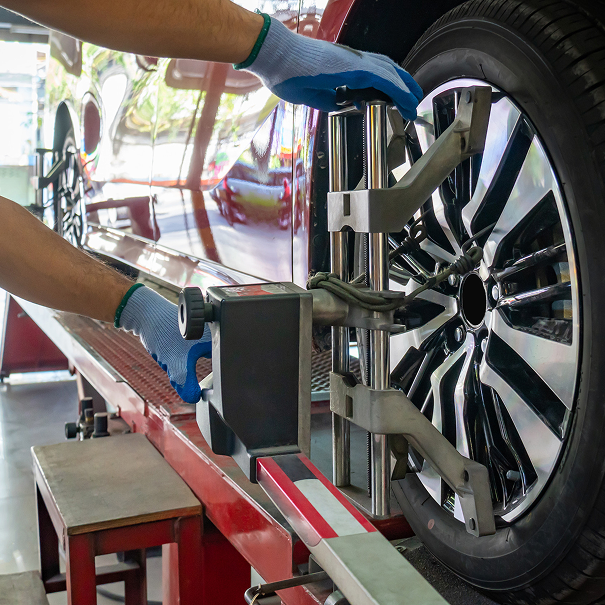
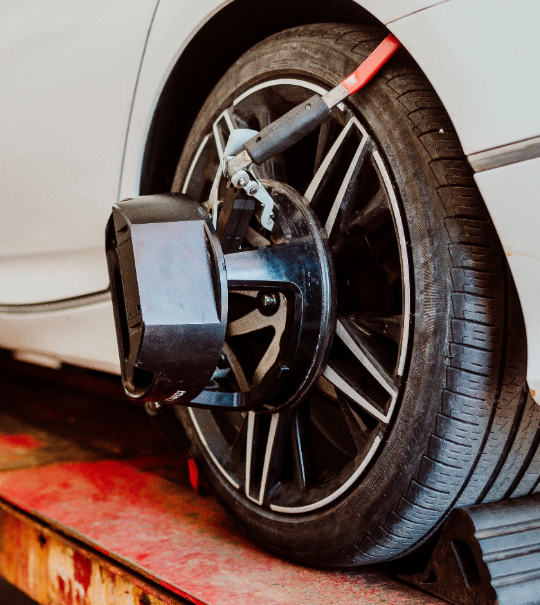
Your vehicle’s wheel alignment plays a crucial role in safe driving, tire longevity, and fuel efficiency. At Hamburg in Hamburg, NY, our ASE-certified technicians understand that proper alignment involves precise adjustments to your vehicle’s suspension and steering components. When your wheels are properly aligned according to manufacturer specifications, your vehicle tracks straight, handles predictably, and delivers optimal performance. Many drivers don’t realize that wheel alignment issues can develop gradually through normal driving conditions, hitting potholes, or after suspension work. Our computerized alignment machine provides precise measurements of toe adjustment, camber adjustment, caster angle, and thrust angle to ensure your vehicle meets exact factory specifications. Located at 4660 Camp Rd, Hamburg, NY 14075, we’ve been helping Hamburg drivers maintain proper wheel alignment and extend tire life for years.

Frequently Asked Questions About Wheel Alignment
Most manufacturers recommend checking alignment annually or every 12,000 miles, though you should have it checked immediately if you notice pulling, uneven tire wear, or after hitting a significant pothole.
Front end alignment only adjusts the front wheels, while four wheel alignment ensures all four wheels are properly positioned relative to each other and the vehicle’s centerline for optimal tracking.
Yes, misaligned wheels create additional rolling resistance and drag, forcing your engine to work harder and reducing fuel efficiency by up to 10 percent in severe cases.
Most alignment services take 1-2 hours depending on your vehicle type and whether any suspension components need adjustment or replacement during the process.
Alignment can resolve vibration caused by tracking issues, but vibration might also indicate tire balancing problems, worn suspension parts, or other mechanical issues requiring additional diagnosis.
